How to Start a Food Blog: Step-by-Step Guide
Is cooking delicious dishes, trying out new recipes, and sharing culinary highlights something you love and excel at? Why not scale up, show your skills to a global audience, and make some profit along the way? This guide breaks down everything you need to know about food blogging for beginners, offering a simple explanation of crucial steps, such as how to choose a blog niche, how to select a domain name, and how to grow a food blog audience. Scroll down to learn more.
Is it not too late to start a food blog?
So what is a food blog? Actually, there is no standardized answer with clear guidelines to that question. It can be a simple digital catalog with stunning dishes you’ve tried, photographed, and found impressive enough to share with others, a major podcast platform where the professionals of the F&B industry share their experience with the audience, a video catalog with recipes, a YouTube channel with video reviews of the best restaurants in your city or even worldwide, etc.
Creative minds are in for a treat: to start a food blog, you can choose whatever approach fits your vision best. But there are several rules to follow to be able to stand out among the competition, which, by the way, is massive in 2025. And if your concept isn’t innovative enough, it will be challenging to get close to the popularity of someone like That Little Puff, Nick DiGiovanni, or the legendary Gordon Ramsay.
Choose your niche, identify your audience, and pick a platform
Every YouTube tutorial and guide on how to start an online business highlights one crucial golden rule: you must choose a blog niche. Without a well-defined niche, you won’t be able to find your target audience, meaning that your food blog will turn into a time-consuming hobby with no ROI. But it’s not about finding the right audience alone; it’s also about providing them with top-quality content. So ask yourself: What are you passionate about, what is your unique expertise?
Next, do a little market and social media milieu research: What is the most popular cuisine right now? Is the topic of eating healthy underrepresented in your region? What are the most affordable everyday recipes? Once the food blog niche and target audience have been defined, move on to the value proposition – articulating your product as the solution to your viewers’ needs.
Take, for example, the blog Minimalist Baker. It simplifies cooking with straightforward techniques and recipes that use fewer than 10 ingredients and don’t require a whole day. It generates revenue by implementing the Amazon affiliate marketing program, posting ads, and selling branded kitchen equipment and premium subscriptions to the blog.
Choose your blogging platform
The theoretical part of your research eventually leads to an important choice: What is the best best platform for a food blog in 2025? There are a few options to consider. You can opt for an individual website (Kitchn, Food52, or The Recipe Critic), create your YouTube channel (Binging with Babish, Tieghan Gerard, or Rosanna Pansino), or conquer the viral algorithms of TikTok and Instagram (William Conrad, Keith Lee, or Emily Mariko).

The ultimate way is to have your own website, with numerous customization options and full control over the operation, while also consistently posting on social media platforms to drive viewership and engage with your audience.
Are you a one-man band with limited resources? None of these factors will be obstacles for developing your online presence, especially with no-code builders. These web building tools are meant for small entrepreneurs, craftsmen, digital creators, etc., who want to join the online business game, yet hiring a team of web designers isn’t something they can afford.
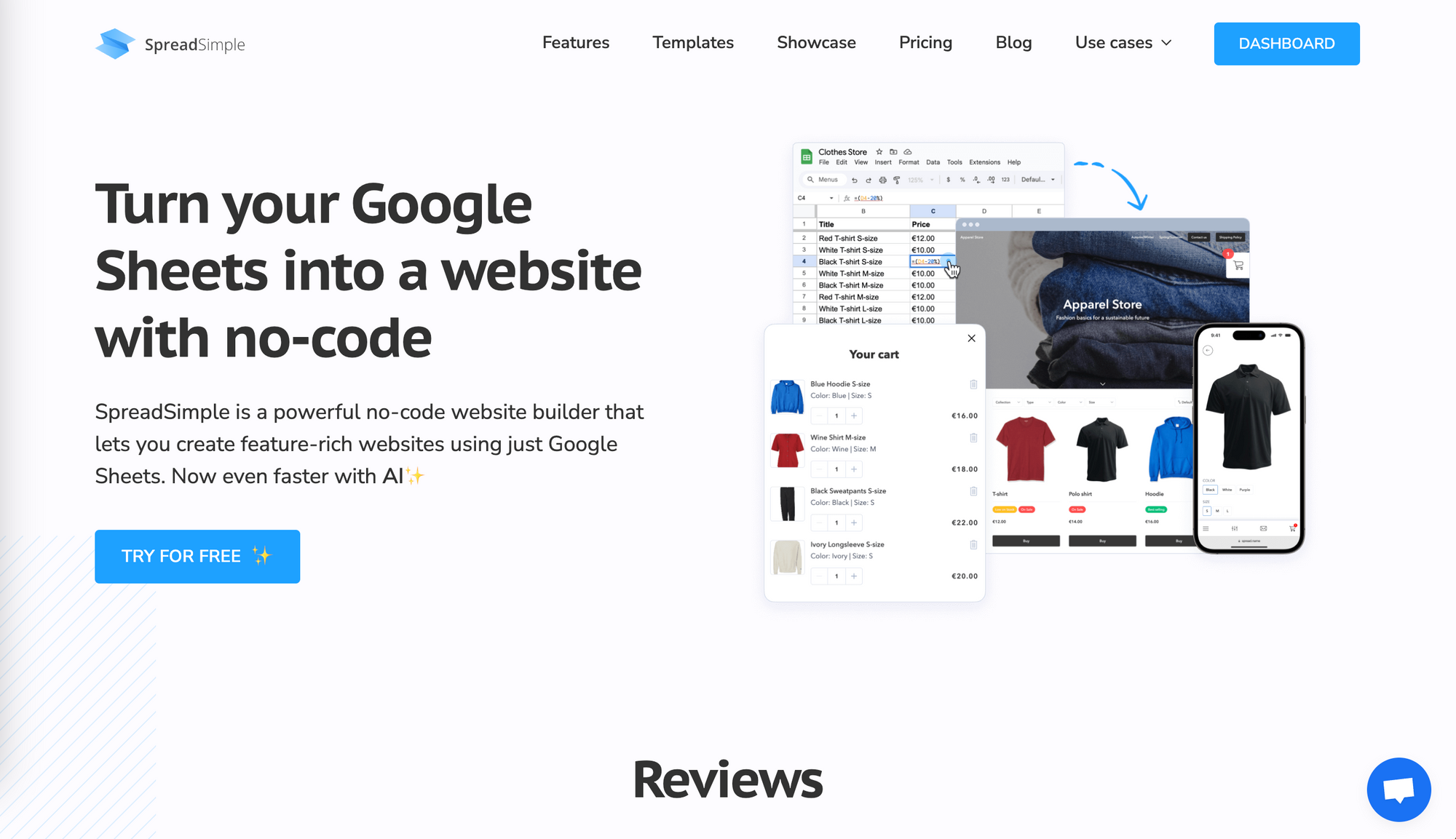
SpreadSimple, for example, is an intuitive software, where all you need to do is fill in a Google Sheet, select the preferred visuals, add-ons, and the rest is automated. You can choose a template that fits your vision, like Recipe Collection, and create a feature-rich website within minutes.

Pick a memorable blog name and domain
Just as an offline retail shop needs a place to safely store products, a website needs to be stored on a server connected to the internet 24/7. Otherwise, it won’t be accessible to visitors. A hosting provider gives you the necessary infrastructure for a flawless performance and supplies you with technical infrastructure for smooth and secure operations. With SpreadSimple, you do not need to search for a web hosting provider, since this no-code website builder implements a cloud-based solution and hosts all the client websites itself. This ensures flexible scalability and increased reliability.
With cloud hosting, your website is not only hosted on a single server, but distributed across a network of several servers (“cloud”). This ensures high reliability and flexible scalability – perfect for websites with highly fluctuating or constantly growing traffic, making it one of the best food blog hosting options for beginners.

SpreadSimple also provides you with a default domain, but it is highly recommended to register your branded domain to build trust and grow recognition. First, you should go to a registrar like GoDaddy, Namecheap, etc., purchase a domain name, and connect a new one in the Manage options of the website editor.
Do not skip this step: your brand cannot exist without a name, and it should be reflected in its web address. When thinking about food blog domain name ideas, take into consideration three key points:
- Uniqueness – illustrating your value proposition
- Brand Context – defining its personality
- Architecture & Construction – it can be suggestive, descriptive, abstract, etc.
Follow these guidelines and make sure that the brand name is memorable, not too long, and niche-relevant.
The best naming examples for a food blog include:
Food.now – clear, concise, and motivating.
RealCrave.com – provokes curiosity and appetite.
RestaurantHost.com – good for SEO, clearly illustrates the type of platform.
Design your blog – theme, layout & plugins
With the food blog niche and domain name confirmed, what's next? You can start figuring out the platform design and focus on its functionality. If you go for the Recipe Collection website template by SpreadSimple, you will get all the essential features:
- Header and navigation menu
- Content pages: About Us, Cooking Tips, Food Trends
- Details pages
- Filters and sorting
- Clickable badges for navigation
- Footer
You can customize the template to represent your brand identity, add your logo, images, and fonts, and implement essential instant plugins for food blogs, including recipe cards, Meta Title, and Meta descriptions to attain strong SEO performance. Caching is also important to improve user experience by storing copies of files in cache to be accessed more quickly.
Make sure that your website is mobile-friendly. Otherwise, you are missing out on the majority of visitors, as smartphones now generate over half of all web traffic.
Create your content plan – first posts and structure
Having a burst of innovative ideas is good. But they shouldn’t be a messy pile in your head or scribbled on a random sheet of paper. Arranging them in a creative food blog content plan with a clear structure is a must. Fill your platform with informative, captivating pillar posts – the foundation of your website. Interlink them with subtopics – such as supportive posts, FAQs, and niche articles.
If your food blog setup has a more complex structure, make sure it’s easy to navigate by dividing all the information into categories – thematic grouping offering viewers well-structured content based on their preferences. Categories, tags really help improve the usability of your food blog. There are Meta tags, Title tags, Header tags, and Blog post tags, to name a few. Indexes are another performance-optimizing tool in the data architecture.
As a food blogger, you should always continue to be relevant, which doesn’t mean chasing every fleeting trend. Stick to your niche, but post consistently, try finding recipe blog tips that might be really useful during a specific season, like mulled wine in winter or refreshing iced beverages in summer. Post stories for more engagement, so that your audience can see that you are a real person, not some marketing project.
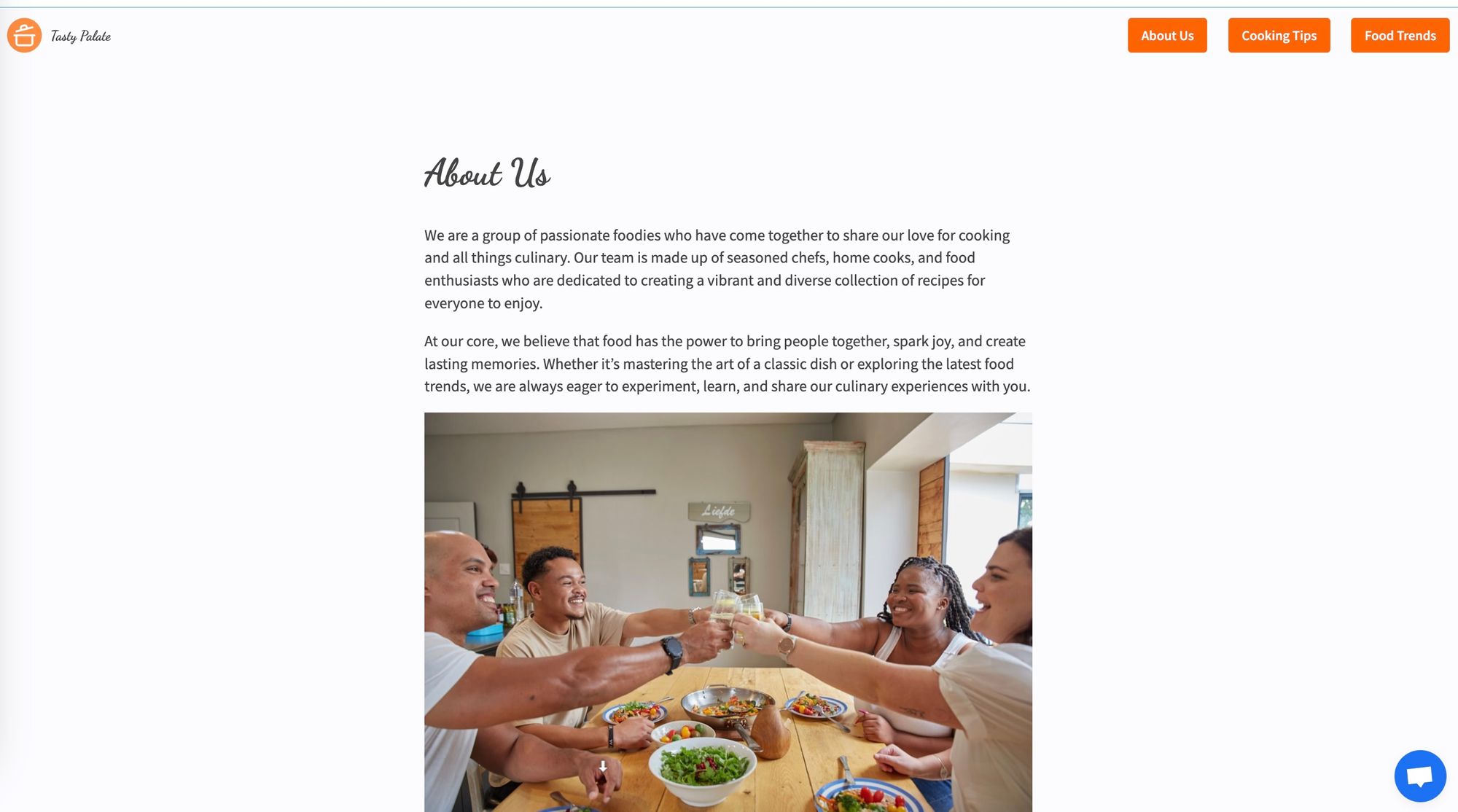
When it comes to visual content, you can spot a not very good tendency nowadays: many food blogs, restaurant websites, and delivery services started using AI to generate images of the dishes. This immediately reduces trust among your viewers. Always post real, appetizing, good-quality photos. Adding some additional AI-generated content is acceptable, but not for the products you are recommending. You have to act ethically and responsibly when promoting something.
When it comes to writing blog posts, there is always a dilemma: create unique texts or simple pieces that are clear to everyone. While keywords, headings, and other elements are crucial for SEO, remember that there is also a human aspect to the matter: if a viewer spends 5 – 7 minutes reading an article and finds only an abundance of keywords instead of valuable information, they will likely never return to your platform.
Publish and promote your blog
After completing all the above steps, run a quick technical launch checklist to make sure everything functions properly. For your convenience, we have compiled these brief pre- and post-launch checklists you can apply:
- Pre-Launch
- Make sure your SSL certificate works (SpreadSimple provides a free SSL certificate for every website. It is issued automatically once your new domain is resolved).
- Update your CMS
- Take care of a backup solution
- Integrate analytical tools
- Double-check the functionality of all pages
- Set up the 404 page
- Check the internal links and navigation
- Proofread all the content and correct typos
- Check if your website works on mobile devices properly
- Test with different browsers
- Add metadata
- Make sure your platform is legally compliant
- Create social media profiles
2. Post-Launch
- Submit your sitemap and request indexing
- Run analytics
- Check your conversion path is working correctly
- Promote your platform via social media and email marketing, build community and network with other bloggers
Monetize and grow your food blog
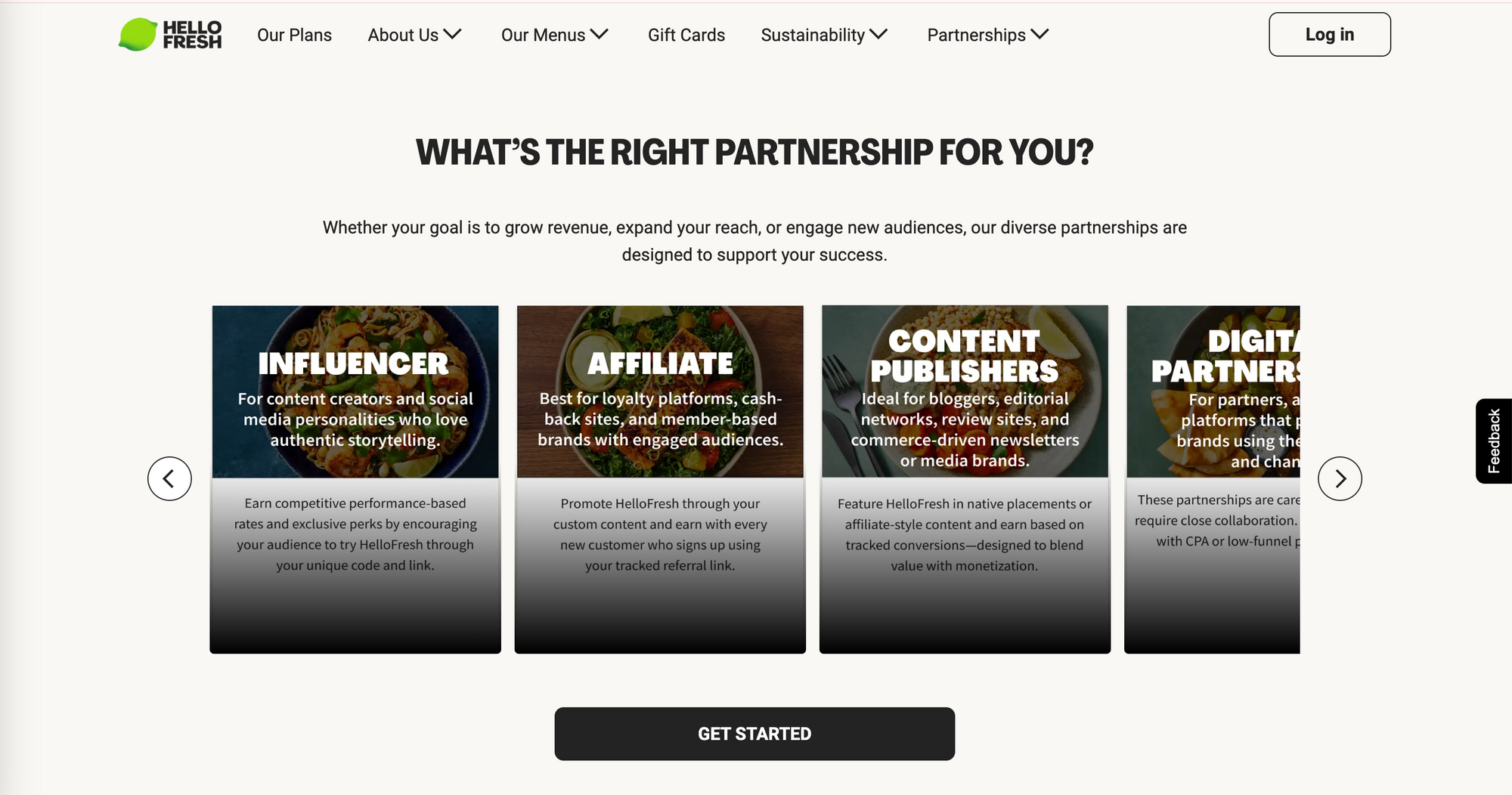
Putting effort into creating a fantastic food-blogging platform doesn’t guarantee immediate monetization. Nowadays, instead of creating expensive advertising campaigns, modern brands partner up with bloggers, who create sponsored posts. Think of what products might be useful in your specific niche, so that product placement doesn’t look like spam. Offer promo codes with discounts to your audience – it is always a great idea. One of the most popular ways to monetize your food blog is by joining an affiliate program (Amazon Associates, HelloFresh, Nuts.com, etc.)
When considering earning profit through display ads on your platform, you should think everything through. There is a suspicion that Google puts heavy SEO penalties on platforms with poor ad experience when ads affect your website’s user experience negatively. Analyze metrics like bounce rate, average time on page, and number of page views per visit in the behavior tab of your Google Analytics dashboard to understand if ads are harming the site.
Once you build a big enough audience trusting your expertise, you can start monetizing. YouTube Monetization Requirements include 4,000 hours of YouTube watch time over the past 12 months and at least 1,000 subscribers. To be eligible for monetization on TikTok, you must have at least 10,000 followers, 100,000 video views in the last 30 days, and have an account that fits with TikTok Community Guidelines and terms of service.
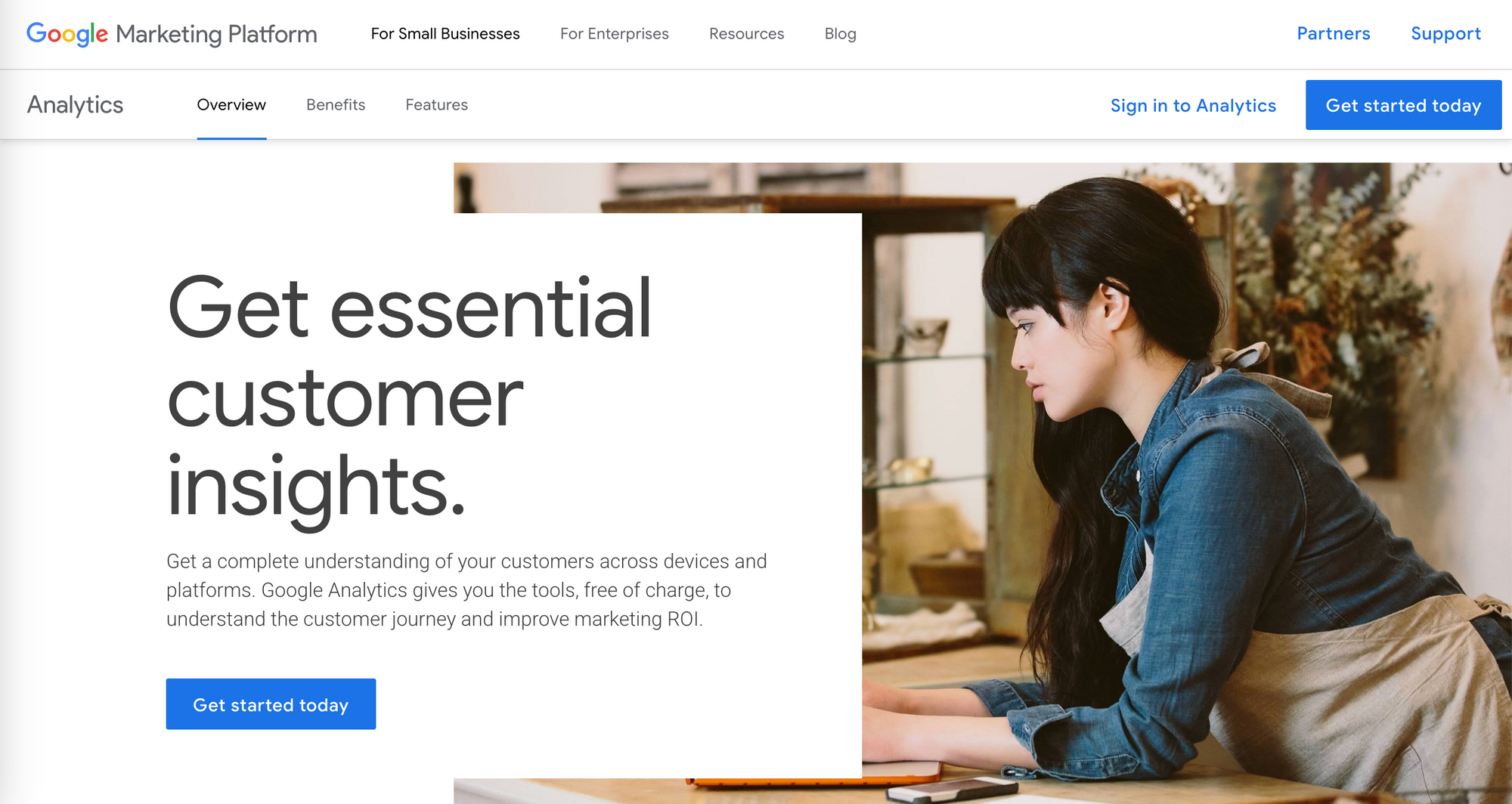
Posting consistently is non-negotiable, but without performance tracking, it’s pointless. Analyze which campaigns lead to the conversion, user behavior before converting, drop-offs, ROI of each conversion, etc. Use tools like Google Analytics, Open Web Analytics, SimilarWeb, and Ahrefs to define what works best.
Common mistakes to avoid & long-term tips
If you can not define a niche, no need to rush into online entrepreneurship trying to cover everything. Your food blog will not have any identity, and its value in the viewers’ eyes will be really low. A generic-looking platform will not rank high in search results, and the bounce rate statistics will be very high. And if you leave SEO out of the equation, then your website will immediately become a ghost in the fine-tuned online environment.
Another common mistake is inconsistent posting. People are creatures of habit. Let’s say you have a YouTube channel where you share simple cooking tips. If you post them several times a week at the same time, they might become an important part of your audience’s daily routine. They can take inspiration from it while cooking their meals. In other words, maintaining a consistent posting schedule establishes a reliable rhythm both for users and search engines.
Pro tip: Never ignore your audience: answer their comments, reach out, and show interest in their opinions. The viewers of your platform will always leave honest feedback and powerful insights. Analyze the data to adjust your content accordingly.
Conclusion
The echelon of nuances of how to create a food blog step by step might have discouraged you a bit. But fret not! If you are truly passionate about food blogging, don’t hesitate. Take a few photos at a restaurant where you regularly eat, record how you prepare a meal, and post it online today. Start small, and figure out the rest along the way. Be authentic; share content you genuinely believe adds value. Good luck with your new platform!
FAQs

Do I need an expensive camera?
No, you don’t need an expensive camera for food blog photography. Modern smartphones are equipped with very good cameras (OnePlus and OPPO collaborated with Hasselblad, offering top quality and reasonable pricing). Focus on lighting and composition (you can learn about it on YouTube for free).
How many posts to start?
You need somewhere between 10 and 15 posts ready before you launch a blog in order to bring in meaningful traffic.
Can I blog on a free platform?
Absolutely! SpreadSimple offers a free plan, which is ideal for starting. You can always upgrade later for more advanced features. And its Help page and YouTube channel will guide you on how to create a food blog step by step.